

Introduction: Why Ice Baths Are a Game Changer
Athletes across the spectrum, from elite Olympians to weekend competitors, have long embraced the ice bath as a recovery tool. Sitting in icy water may sound extreme, but research suggests it helps with soreness, boosts mental resilience, and improves recovery speed.
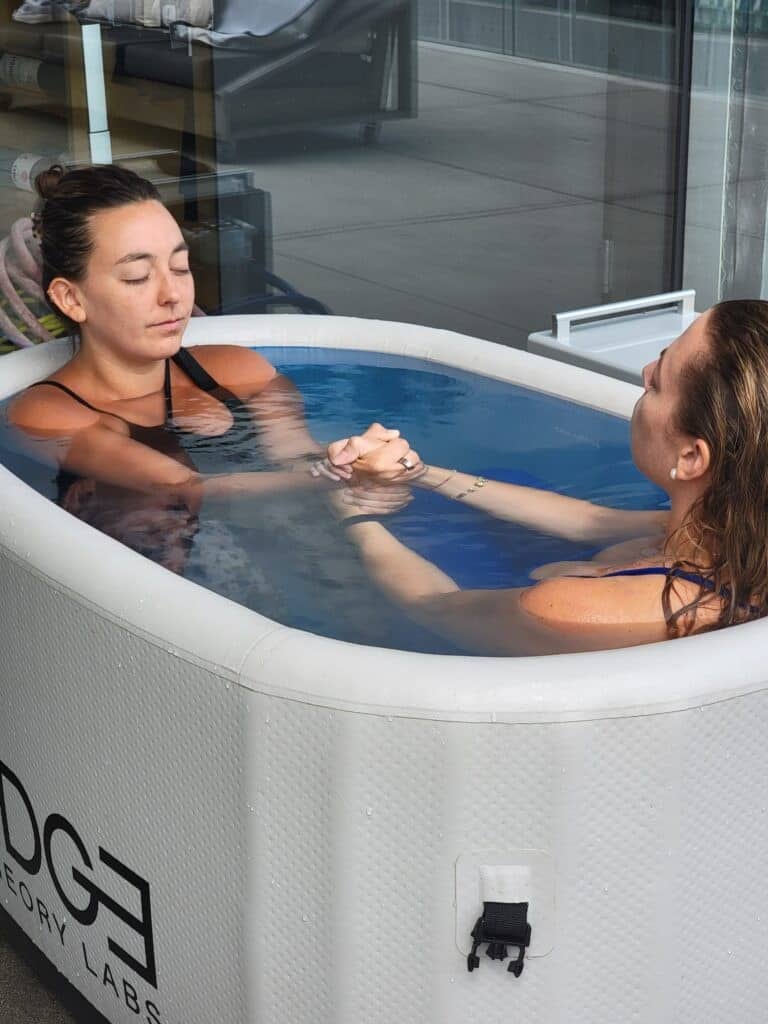
This practice is also known as cold plunging, where individuals immerse themselves in cold water for health and recovery benefits.
Training alone does not guarantee peak performance. The body needs structured post-exercise recovery, and exposure to cold water has become one of the most effective ways to do this.
Many athletes today are turning to ice bath routines as part of their recovery strategy, combining ancient practices with modern sports science. Plunging into a bath typically filled with ice water is a method used to accelerate recovery and enhance physical and mental resilience.
This article explains what an ice bath is, how cold water immersion works, the potential benefits—including weight loss due to increased metabolism—safety tips, FAQs, and best practices.
The Wim Hof method, a popular approach involving cold water immersion, will also be discussed. By the end, you’ll understand whether taking ice baths deserves a place in your own recovery routine.
What Is an Ice Bath?
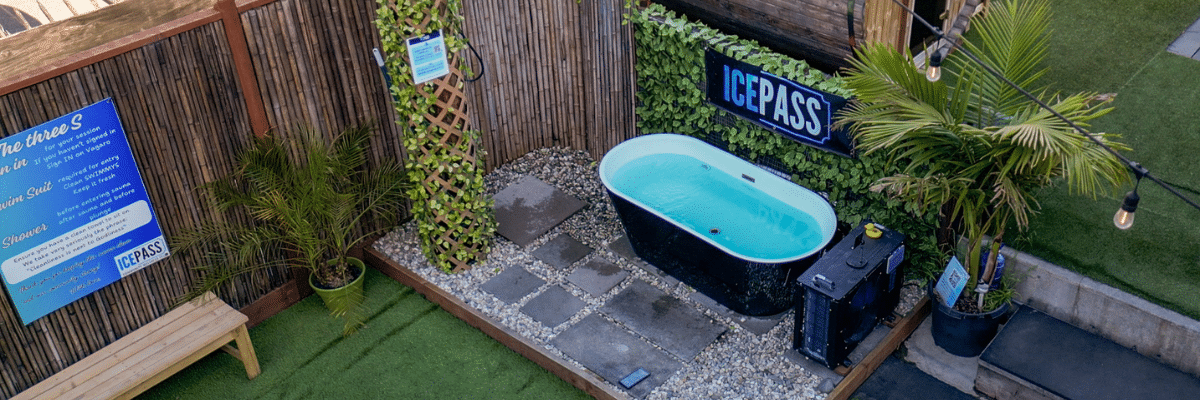
An ice bath is a form of cold immersion where athletes submerge their bodies in a tub filled with cold water or ice water, typically maintained at a desired temperature of 50–59°F (10–15°C).
Plunging into ice water triggers physical and psychological changes that help with muscle recovery and stress adaptation.
Colder water can provide a more intense effect but may increase risk, so it’s important to monitor the temperature and keep the water cold for optimal results. When preparing an ice bath, ensure the tub has enough room for comfortable submersion.
History of Cold Water Therapy
- Ancient Greeks used cold water therapy after intense exercise.
- Nordic cultures practiced cold plunges in natural rivers and lakes.
- Modern athletes rely on cold plunge tubs and structured ice bath tubs for precise conditions.
Key Differences
- Cold immersion vs whole body cryotherapy: Cryotherapy uses much colder air temperatures than ice baths, while ice baths rely on direct cold water exposure.
- Cold showers provide similar but less intense effects compared to icy water baths.
- Duration typically ranges from 5–15 minutes for safe and effective outcomes.
The Science Behind Ice Bath Recovery
Vasoconstriction and Blood Flow
Submerging in freezing water narrows blood vessels, reducing swelling and limiting muscle soreness. Once you exit, blood flow returns, delivering nutrients for faster repair.
Clearing Metabolic Waste
Cold water immersion helps flush out lactic acid and creatine kinase — byproducts of exercise that can cause stiffness in tired muscles.
This process supports smoother muscle recovery.
Hormonal and Nervous System Response
- Cold shock response: The sudden drop in body temperature increases adrenaline and stimulates the nervous system.
- Endorphins rise, balancing mood and pain perception.
- Cortisol levels decrease while dopamine levels rise, aiding both focus and mental resilience.
Evidence From Research
- Meta-analyses confirm reduced delayed onset muscle soreness (DOMS) when athletes use cold plunges within hours of training, as mentioned earlier.
- Studies also point to improved immune function and higher white blood cell count with consistent cold exposure.
Top Ice Bath Benefits for Athletes
Reduced Muscle Soreness and Inflammation
The biggest benefit is relief from sore muscles after an intense workout.
Cold immersion works to reduce inflammation, speeding up repair while minimizing downtime.
Faster Recovery Between Training Sessions
When competition schedules are tight, cold plunges allow athletes to maintain performance.
Whether it’s runners handling back-to-back marathons or strength athletes recovering from heavy lifts, the benefits are clear.
Improved Mental Resilience and Stress Response
The discomfort of sitting in ice-cold water strengthens mental toughness.
By enduring the stress of cold therapy, athletes learn to stay calm in pressure situations — a true game changer for a performance mindset.
Enhanced Sleep and Relaxation
Immersion in cool water stimulates the parasympathetic nervous system, lowering heart rate and encouraging deep rest.
Many athletes notice better sleep quality after an ice bath routine.
Immune System Support
Repeated cold water therapy exposure may increase immune function, reducing susceptibility to illness.
The rise in white blood cell count is part of the adaptive response.
Potential Cardiovascular Benefits
Short bouts of cold exposure may improve cardiovascular health by stabilizing blood pressure and conditioning the heart to adapt to environmental stressors.
Athlete Testimonials: Real-World Recovery Stories
Athletes at every level are turning to cold water immersion—whether through ice baths, cold plunges, or cold water therapy—as a cornerstone of their post-exercise recovery routines.
The real-world experiences of these athletes highlight just how transformative cold exposure can be for muscle recovery, mental resilience, and overall performance.
Take professional football legend Tom Brady, for example. He has openly credited ice baths and cold water therapy with helping him reduce muscle soreness and bounce back faster after tough games.
Olympic marathoner Paula Radcliffe is another advocate, sharing how regular cold plunges have helped her recover from intense workouts and maintain peak performance throughout her career.
Beyond the headlines, countless athletes report similar health benefits from taking ice baths. Many describe a noticeable reduction in muscle soreness and inflammation, which allows them to train harder and more frequently.
One anonymous athlete shared that incorporating cold water immersion after workouts not only sped up muscle recovery but also helped reduce inflammation, making it possible to push their training to new heights.
A professional rugby player echoed these sentiments, saying that cold plunges after matches were key to minimizing muscle soreness and staying game-ready.
The mental benefits are just as compelling. Athletes often mention that cold water therapy helps them build mental toughness and resilience, as enduring the initial shock of icy water requires focus and control.
Many also report improved mood and reduced stress, with some noting that regular cold plunges have become a powerful tool for managing anxiety and boosting overall well-being.
In addition to these personal stories, research supports the idea that cold water immersion can improve cardiovascular health, increase white blood cell count, and enhance immune function.
Athletes who use cold water therapy consistently often notice fewer illnesses and a stronger immune response, which is crucial during demanding training cycles.
When it comes to getting started, many athletes recommend beginning with cold showers or contrast water therapy—alternating between hot and cold water—to help the body adapt before moving on to full ice baths or cold plunges.
As comfort with cold water exposure grows, gradually increasing the duration and frequency of sessions can help maximize the benefits.
Equipment choice also matters. Athletes often prefer ice bath tubs or cold plunge tubs made from durable materials that can withstand frequent use and make it easy to maintain the desired temperature.
These purpose-built tubs help ensure that each session delivers consistent results, making it easier to stick to a regular ice bath routine.
Overall, the testimonials from athletes who have embraced cold water immersion are clear: whether it’s faster muscle recovery, reduced inflammation, improved cardiovascular health, or enhanced mental resilience, the benefits of cold water therapy are hard to ignore.
By making cold plunges, ice baths, or even cold showers a regular part of their recovery, athletes are not only supporting their bodies but also building the mental toughness needed to excel in their sport.
Risks, Myths, and Misconceptions
Risks of Ice Baths
- Staying in freezing water too long increases the risk of hypothermia, especially as colder water raises this risk.
- People with high blood pressure or heart issues should consult a doctor.
- Nerve sensitivity and overuse may reduce the potential benefits.
Myths Explained
- “Ice baths kill muscle growth”: Regular daily baths may slightly limit hypertrophy, but occasional use balances muscle growth with effective recovery.
- “You need to stay in for 30 minutes.”: Long sessions are unsafe; 5–15 minutes is optimal.
Safe Best Practices
- Always ensure the tub is filled with water before adding enough ice to reach the ideal temperature.
- Avoid submerging your neck and head to reduce stress on the body.
- Keep the water cold throughout your session to maximize the benefits.
- After use, draining the tub makes cleaning and maintenance easy.
How to Take an Ice Bath Safely
Preparation
- Fill your ice bath tub with water.
- Start adding ice until you reach cold temperatures of 50–59°F.
- Use a thermometer to maintain the correct temperature.
Duration and Frequency
- Stay in the cold plunge tub for 5–15 minutes.
- Use 2–3 times per week for post-exercise recovery.
- Avoid daily immersion unless guided by a coach.
Post-Bath Recovery
- Exit slowly to stabilize body temperature.
- Hydrate to restore energy levels.
- Use stretching, mobility drills, or gentle heat to maintain circulation.
Alternatives and Complementary Therapies
Contrast Therapy
Alternating cold showers with warm ones balances circulation and reduces muscle soreness.
Whole Body Cryotherapy
This chamber-based treatment exposes the body to extremely low air temperature for short bursts, offering similar benefits to cold plunges.
Heat Therapy
Pairing heat therapy with cold plunges enhances metabolic health, supporting long-term recovery cycles.
Compression and Water Therapy
Using compression boots or structured water therapy sessions can complement cold water therapy for comprehensive recovery.
FAQs: Ice Bath Recovery
Are ice baths good for you?
Yes, when used responsibly, they provide significant health benefits: reduced soreness, better immune system response, and improved mental benefits.
Weight loss may also be a possible benefit due to increased calorie expenditure.
How long should you ice bath for?
The safe window is 5–15 minutes. Longer exposure in icy water increases risks without added benefits.
What does a 3-minute ice bath do?
Even 3 minutes in an ice bath triggers a cold shock response, improves circulation, and starts to reduce inflammation processes for tired muscles.
Do and don’ts of ice bath?
Do:
- Fill the tub with enough ice for the ideal temperature.
- Submerge up to your shoulders, keeping the neck safe.
- Limit time and focus on breathing.
Don’t:
- Stay in freezing water too long.
- Enter if you have uncontrolled high blood pressure.
- Skip warming up afterward.
Practical Tips for Setting Up an Ice Bath
Choosing a Tub
- Look for durable materials to handle adding ice regularly.
- Ensure easy cleaning and safe draining features for effortless emptying of the tub.
- Make sure there is enough room for comfortable body submersion.
- Tubs with better insulation help keep the water colder for longer sessions.
Maintaining Clean Water
- Always keep water clean to avoid contamination by regularly draining the tub as part of the cleaning process.
- After draining and sanitizing, the tub should be filled with fresh water before each use.
At-Home Hacks
- A bathtub can double as an ice bath when filled with cold or ice water.
- Portable cold plunge tubs offer flexibility in smaller spaces and should provide enough room for comfortable use.
- Start with cold showers if full immersion feels overwhelming, and consider draining the tub after use for easy maintenance.
Long-Term Potential Benefits
For Athletes
- Quicker turnaround between competitions
- Enhanced muscle recovery and reduced sore muscles
For General Health
- Better stress management through mental toughness
- Improved insulin sensitivity and metabolic health
- Support for cardiovascular health through balanced heart rate and blood pressure
- Potential long-term weight loss benefit due to increased calorie expenditure and boosted metabolism from regular cold exposure
Conclusion: Is the Ice Bath Worth It?
The ice bath, also known as cold plunging, is more than a trend — it’s a structured method of cold water therapy with clear potential benefits for athletes and everyday individuals.
From reducing muscle soreness to boosting immune function and fostering mental resilience, plunging into icy water remains a powerful recovery strategy.
The Wim Hof method is one popular approach to cold water immersion, combining specific breathing techniques and meditation with the practice.
Like any tool, it must be used safely. Keep sessions short, focus on the ideal temperature, and combine with other therapies like heat therapy and water therapy.
Done correctly, this simple practice can truly be a game-changer for recovery, performance, and overall health benefits.
For further insights, visit NCBI’s research on cold water immersion.