
Ice Bath Tub Benefits: What Science Says for Recovery and Wellness

An ice bath tub is a specially designed tub that allows people to immerse themselves in ice-cold water for cold water immersion, a form of cold water therapy commonly used to support recovery, reduce soreness, and improve overall wellness.
Athletes have relied on ice baths for years, but cold plunge tubs are no longer limited to professional sports facilities.
Homeowners, fitness enthusiasts, runners, and busy professionals are now investing in dedicated cold tubs to support their recovery process, improve mental clarity, and make cold exposure more convenient.
Research suggests that cold water immersion can reduce muscle soreness after strenuous exercise, help athletes recover between competitions, and promote relaxation after demanding physical activity.
However, science also shows that ice baths are not a magic solution.
The benefits depend on when and how you use them, along with your training goals.
If you’re exploring different setups, comparing various ice bath tub options can help you find a system that matches your recovery routine and available space.
In this guide, you’ll learn:
- How cold therapy works
- The science behind muscle recovery
- Whether cold plunges improve sleep and mental performance
- The different types of ice bath tubs
- How to choose the right model for your needs
- What features matter most before making a purchase
Whether you’re looking for a simple portable setup or a premium water chiller system, understanding the options can help you invest in the right equipment for long-term use.
Benefits of Cold Plunges and Ice Baths
The popularity of cold plunge tubs continues to grow because many users report feeling refreshed and recovered after regular sessions.
Scientific research supports several of these benefits, although some claims remain stronger than others.
Muscle Recovery After Exercise
One of the biggest reasons people purchase an ice bath tub is to speed up muscle recovery after demanding workouts and support active recovery between hard training sessions.
During intense exercise, muscles develop microscopic damage known as muscle micro-trauma.
This is a normal part of adaptation, but it also causes soreness and temporary inflammation.
Immersing the body in cold water causes blood vessels to constrict temporarily, which may help limit fluid buildup in damaged tissues.
As the body warms afterward, blood flow increases again, helping transport oxygen and nutrients that support recovery.
A large systematic review published in the British Journal of Sports Medicine found that cold water immersion can reduce delayed onset muscle soreness (DOMS) during the first 24 to 96 hours after exercise, making it a valuable tool for athletes recovering between training sessions.
For endurance athletes, tournament competitors, and anyone facing multiple training days in a row, this faster recovery process can help maintain performance throughout the week.
Reducing Inflammation for Athletes
Another well-known benefit of ice baths is reducing swelling after strenuous activity.
Exposure to cold temperatures decreases circulation to the immersed tissues while lowering metabolic activity.
This temporary reduction may help limit excessive inflammation following long-distance running, cycling events, or high-volume sports competitions.
This is particularly valuable when recovery time is limited.
However, it’s important to understand that inflammation also plays a role in building stronger muscles.
Research indicates that using an ice bath immediately after every strength-training workout may slightly reduce long-term muscle growth by limiting some of the body’s natural adaptation signals.
For that reason, many coaches recommend using cold plunge sessions strategically after endurance events, competitions, or exceptionally demanding training days instead of after every weightlifting session, since the stronger evidence here relates to recovery and inflammation rather than using them primarily for weight loss.
Mental Clarity and Stress Management
The effects of cold therapy extend beyond physical recovery.
Entering ice-cold water triggers a surge of adrenaline and stimulates the release of endorphins.
These natural chemicals contribute to improved alertness and the feeling of increased energy that many people describe after a cold plunge.
Regular exposure to controlled cold has also been linked with better stress resilience and may help reduce stress over time.
Learning to stay calm while immersed in cold water teaches controlled breathing under physical discomfort, a skill that often transfers into everyday situations.
Many users report they are better able to handle stress after making cold exposure part of their routine.
Some emerging studies also suggest cold plunges may help lower cortisol levels, although more research is needed to determine the long-term effects across different populations and what they may mean for overall health.
Better Sleep and Recovery
Many users notice better sleep after an evening ice bath, especially following physically demanding days.
Although cold water immersion initially activates the sympathetic nervous system, many people experience a calming effect afterward as the body gradually returns to its normal body temperature.
This post-immersion relaxation may contribute to improved sleep quality, particularly when combined with proper hydration and recovery nutrition.
Cold exposure may also help reduce muscle discomfort that would otherwise interfere with falling asleep comfortably.
While individual responses vary, improving recovery often leads to better overall rest.
Circulation and Blood Flow
During immersion, blood vessels narrow in response to cold temperatures, reducing circulation to the skin and extremities.
Once you exit the tub, the body restores normal circulation, increasing blood flow throughout the affected tissues.
This alternating cycle is one reason many athletes incorporate cold water therapy into their recovery routines.
Although improved circulation is frequently mentioned, it’s important to understand that the primary benefit comes from the body’s recovery response rather than permanently increasing circulation.
Immune System Support
Some research suggests regular cold water exposure may support the immune system.
Several studies have observed increases in certain immune responses, including changes in white blood cell production, following repeated cold exposure.
Researchers believe the combination of mild physiological stress and improved adaptation may contribute to these effects.
However, evidence remains mixed, and cold therapy should not be viewed as a replacement for healthy lifestyle habits such as sleep, nutrition, and regular exercise.
Increased Energy Levels
One benefit that users often notice immediately is a dramatic boost in energy.
Immersion in ice-cold water rapidly increases adrenaline production, creating feelings of alertness that may last for several hours.
Many people prefer taking a morning cold plunge instead of relying solely on caffeine because it provides a natural increase in wakefulness.
The experience can be challenging initially, but regular users often report that the routine becomes easier over time and a practical part of daily life.
What the Science Says
Current research supports several practical conclusions about ice baths:
- Cold water immersion is effective for reducing post-exercise muscle soreness.
- Recovery benefits are strongest after endurance events or repeated competitions.
- Immediate use after heavy strength training may slightly reduce muscle-building adaptations.
- A typical cold-water dip or short soak lasts between 5 and 15 minutes in water maintained between 50°F and 59°F, which is generally considered a therapeutically cool range.
- Regular cold therapy may contribute to improved mood, increased energy, and better sleep, although individual results vary.
Rather than viewing an ice bath tub as a cure-all, it’s best considered one recovery tool alongside proper nutrition, hydration, sleep, and smart training.
Types of Cold Plunge Tubs
Not every cold plunge tub is built the same.
The best choice depends on your budget, available space, recovery goals, and whether you plan to add ice or use an external chiller, with other options suiting different setups and routines.
Today’s market generally falls into four categories.
| Type | Best For | Typical Price |
|---|---|---|
| Inflatable and foldable tubs | Beginners, renters, travel | $399–$900 |
| Solid insulated tubs | Frequent home use | $1,500–$6,000 |
| Premium chiller systems | Daily recovery | $4,000–$14,599 |
| DIY barrels or livestock tanks | Budget users | $100–$800 (plus modifications) |
Ice bath tubs can range from $399 to $14,599; The Pod Company offers tubs starting at $399, the Polar Dive Cold Plunge is often available for under $1,000, and the Redwood Outdoors Alaskan Cold Plunge is priced at $2,999.
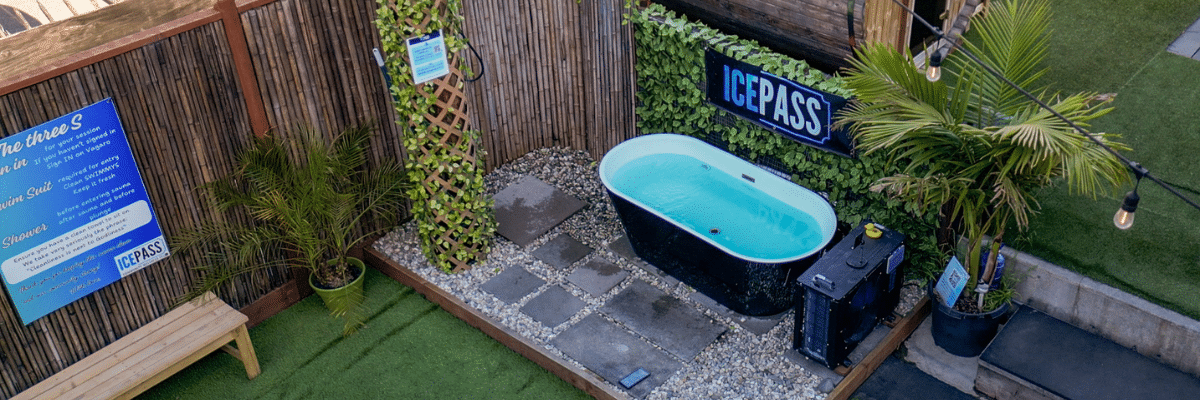
Portable ice bath tubs are especially popular because they require less permanent installation and can be stored when not in use.
Portability vs. Permanent Installation
If you plan to move your setup regularly, an inflatable cold tub offers flexibility with a small footprint and works well in both outdoor and indoor spaces, including a garage, while lightweight options are easier to reposition — for example, the Polar Dive Cold Plunge tub weighs less than 7 pounds empty.
Most tubs hold between 80 and 150 gallons of water, so it’s important to know how much you need to fill before setup; the Immersion Ice Bath Tub holds up to 150 gallons, while the Nordic Wave Viking Gen 2 holds approximately 95 gallons of water.
Permanent insulated systems occupy more room but require less effort to maintain stable temperatures.
Many premium models include integrated cooling systems that eliminate the need for constantly buying ice, making them ideal for people who use cold plunges several times each week.
Setup takes about 15–30 minutes for most tubs, while inflatable tubs can be set up in under 10 minutes.
Choosing Based on Your Goals
Consider how often you’ll use your ice bath tub and what temperature range best supports your goals before making a purchase.
A casual user may be perfectly satisfied with a portable model, though without a chiller, you typically need 15–40 lbs of ice per session for optimal cooling.
Someone training daily may benefit from investing in a water chiller, high-quality insulation, and advanced filtration with a water filter, ideally a 20-micron filter to keep water clean; self-cooling systems maintain consistent water temperatures without ice. Chillers require a standard 110V outlet for operation.
Clean the filter every 1–2 weeks to maintain flow, and change the water weekly without sanitizer.
The right balance between convenience, quality, operating costs, and available space will ultimately determine which style delivers the best value.