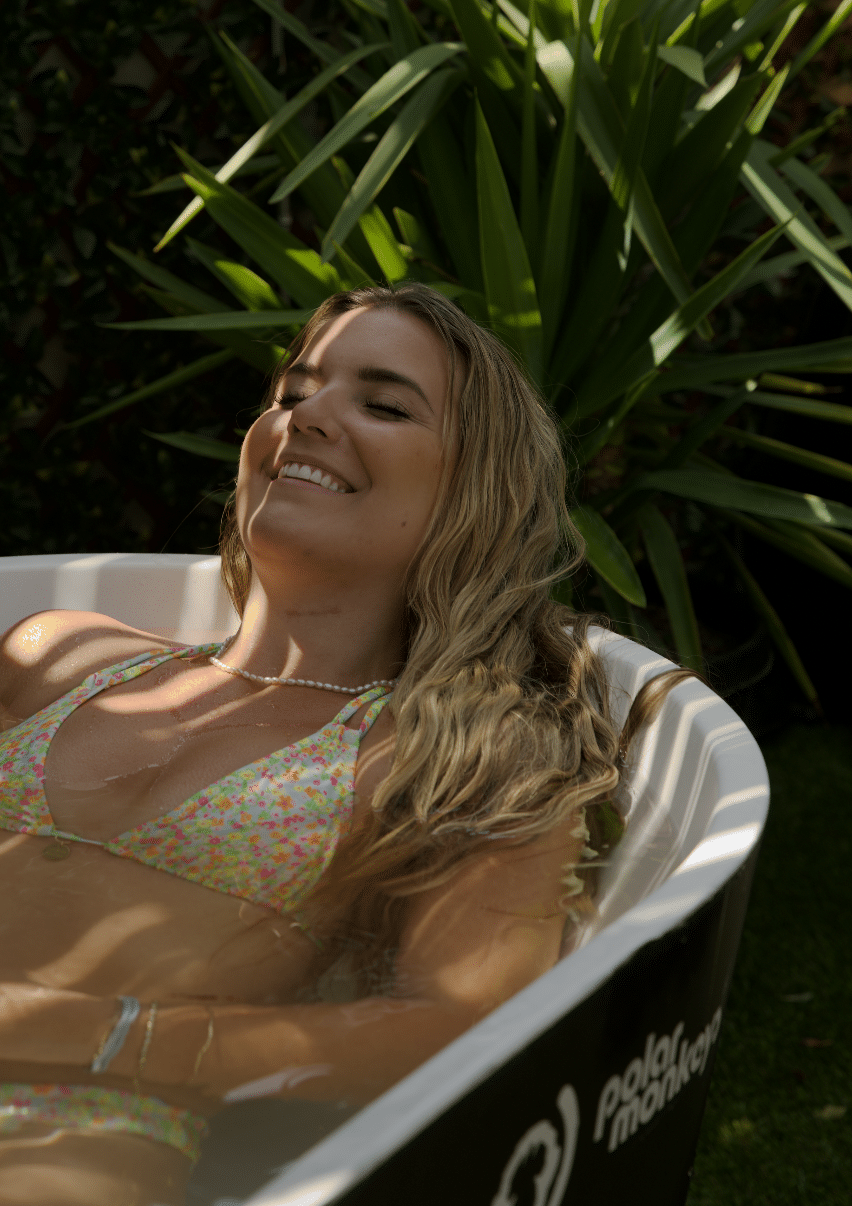



Cold plunge tubs have gained immense popularity in recent years as an effective tool for recovery and wellness.
Whether you’re looking to boost your muscle recovery, reduce inflammation, or improve mental clarity, cold plunge therapy offers numerous health benefits.
For beginners, however, the idea of immersing your body in ice-cold water can be daunting.
In this guide, we’ll walk you through what to expect during your first week of using a cold plunge tub, from the initial shock to the long-term benefits.
By the end, you’ll be equipped with the knowledge to make the most out of your cold plunge experience.
A cold plunge tub is a simple yet powerful tool that uses cold water immersion (CWI) to improve blood circulation, promote muscle recovery, and enhance mental clarity.
If you’re new to the concept, it may seem challenging at first, but the benefits are well worth the effort. Learn more about cold plunge tub therapy here.
What is a Cold Plunge Tub?
A cold plunge tub is designed for cold water immersion therapy, commonly referred to as CWI therapy.
This method involves immersing your body in cold water, usually between 50°F and 59°F (10°C to 15°C), to experience various physical and mental health benefits.
The cold plunge tub helps improve blood circulation, reduce muscle soreness, and stimulate the immune system.
The roots of cold plunge therapy can be traced back to the ancient Greeks, who practiced thermalism—alternating between cold and heat exposure—for health and wellness benefits, establishing a long-standing tradition of this practice.
Cold plunge therapy is often used by athletes for muscle recovery after intense workouts, as it helps reduce inflammation and speeds up recovery.
Cold water constricts blood vessels, which reduces inflammation, swelling, and delayed onset muscle soreness (DOMS).
After a cold plunge, blood vessels dilate, improving blood flow and aiding muscle repair. It’s also used in wellness routines to help with mental clarity, stress reduction, and overall well-being.
Cold water immersion can help lower blood pressure, supporting cardiovascular health. The initial cold shock can trigger a release of dopamine and norepinephrine, leading to increased alertness and improved mood.
Cold plunging may help regulate the body’s natural circadian rhythm and improve sleep quality. Regular cold plunging can stimulate white blood cell production, potentially reducing sick days and boosting the immune system.
Cold plunge therapy can help regulate stress levels, improve mood, and support mental health.
There are many benefits and numerous health benefits to cold plunge therapy, including enhanced physical performance, immune support, and weight loss. For safety, it is recommended to consult a medical professional before starting cold plunge therapy, especially if you have any existing health conditions.
There are different types of cold plunge tubs, including portable ice baths, built-in plunge pools, and inflatable tubs.
You can also use a cold bath in an existing tub at home by filling it with ice and water for a cost-effective cold water therapy option.
Some advanced models, such as the Original Cold Plunge Tub and Polar Monkey’s Brainpod 2.0, come with features like advanced filtration systems, temperature settings, insulated covers, and insulated lids to maintain the desired water temperature and energy efficiency.
Many cold plunge tubs are made from high-quality materials suitable for both indoor and outdoor use, and are designed to accommodate users of various sizes for full-body immersion. Some tubs can be set up and ready in just a few minutes for added convenience.
Maintaining clean water is essential for safety and usability, so look for tubs that are easy to drain and refill, and follow regular tub cleaning routines to keep the water hygienic and clear.
Cold plunge tubs can be a significant investment, often priced in the thousands of dollars, but they offer an effective and convenient way to incorporate cold exposure into your routine.
Studies have shown that cold water immersion can improve sleep quality, reduce anxiety, and even enhance mental resilience.
The main benefits of a cold plunge tub stem from the rapid cold exposure, which triggers a series of responses in the body, such as increased blood flow, muscle recovery, and improved mood. Cold exposure makes the body generate heat, activating brown fat, which increases calorie burn and may improve insulin sensitivity.
Cold plunge therapy can invigorate the body and mind, providing a refreshing experience and a burst of energy.
Cold water immersion is also commonly used post-workout for muscle recovery and can be paired with saunas or hot tubs for contrast therapy, alternating between heat and cold for enhanced recovery and wellness.
Cold exposure can trigger the release of endorphins, which are natural painkillers, further supporting mental clarity and overall well-being.
Types of Cold Plunge Tubs
When it comes to cold plunge therapy, there’s a wide variety of cold plunge tubs available to suit every lifestyle, space, and budget. Each type offers a unique way to enjoy the health benefits of cold water therapy, from reducing muscle soreness and inflammation to boosting blood flow and supporting the immune system. Here’s a closer look at the most popular options for starting your cold plunge journey:
- Portable Ice Bath Tubs: Perfect for those who want flexibility, portable ice bath tubs are lightweight and easy to move. Simply fill them with icy water, and you’re ready for a refreshing cold plunge experience anywhere—at home, at the gym, or even outdoors. These tubs are a great way to start cold plunging without a permanent commitment.
- In-Ground Cold Plunge Pools: For a more traditional and permanent solution, in-ground cold plunge pools offer enough room for multiple users and are often found in wellness centers or luxury home spas. These plunge pools are ideal for those who want to make cold water therapy a regular part of their daily routine and enjoy the benefits of cold immersion with friends or family.
- Above-Ground Cold Plunge Tubs: Easier to install than in-ground options, above-ground cold plunge tubs provide a convenient and affordable way to enjoy cold therapy. They’re well-suited for outdoor use and can be set up on patios or in backyards, making them a popular choice for those who want a dedicated cold tub without major renovations.
- Cold Plunge Tub Systems: These all-in-one systems come equipped with a chiller unit, an advanced filtration system, and precise temperature controls. Designed for professional athletes, gyms, and serious wellness enthusiasts, cold plunge tub systems deliver a consistent, ice-cold water temperature and keep the water clean for regular cold plunges.
- Inflatable Cold Plunge Tubs: If you’re looking for a budget-friendly and portable option, inflatable cold plunge tubs are easy to set up and store. They’re perfect for outdoor events, travel, or anyone who wants to try cold water therapy without a large investment. Just add ice and water, and you’re ready to plunge.
- Wooden Cold Plunge Tubs: For those who appreciate quality craftsmanship and a spa-like atmosphere, wooden cold plunge tubs offer a rustic, natural look. These durable tubs retain cold temperatures well and provide a unique cold plunge experience that’s both functional and visually appealing.
- Acrylic Cold Plunge Tubs: Modern and low-maintenance, acrylic cold plunge tubs are easy to clean and often more affordable than wooden options. Their sleek design and durability make them a popular choice for anyone seeking a hassle-free way to enjoy the benefits of cold water therapy at home.
When choosing the best cold plunge tub for your needs, consider factors like available space, desired temperature settings, and how often you plan to use it.
Whether you opt for a portable ice bath or a high-end plunge pool with a chiller unit, regular cold plunges can be a game-changer for your physical performance, mental clarity, and overall well-being.
With so many options available, it’s easier than ever to bring the benefits of cold water immersion into your daily routine.
Day 1 to 3 – Building Tolerance and Getting Comfortable
During your first few sessions in the cold plunge tub, you’ll likely experience the shock of cold temperatures.
This is completely normal and is part of the body’s natural response to cold exposure. The initial cold shock can trigger a release of dopamine and norepinephrine, leading to increased alertness and improved mood.
The initial discomfort can make you want to jump out, but it’s important to push through and gradually build tolerance. Breath control is important for managing the shock response—focus on steady, controlled breathing to help you stay calm.
Start with shorter sessions, just a few minutes—around 1-2 minutes—and focus on controlled breathing to help you stay calm.
Inhale deeply through your nose and exhale slowly through your mouth to manage the cold shock. This helps activate the parasympathetic nervous system and makes it easier to stay in the water.
The first few days are about acclimatizing your body to the cold. During this period, you may experience benefits like reduced muscle soreness, increased mental clarity, and improved circulation.
To maximize benefits, users should start with milder water temperatures and short durations, gradually increasing exposure. It’s important not to overdo it—pushing your limits too soon can lead to discomfort or injury.
The cold plunge tub works by constricting blood vessels in the body, which helps reduce inflammation and boost the immune system.
As your body adjusts to the cold, your circulation improves, which can lead to enhanced recovery and increased energy.
Stick with 1-2 minutes in the beginning, and gradually increase the duration over time as your body becomes accustomed to the cold exposure.
Day 4 to 5 – Developing Consistency and Noticing Early Benefits
By the fourth and fifth day of using the cold plunge tub, you’ll likely begin to notice more tangible benefits. As your body adapts to the cold exposure, you’ll experience increased resilience to the cold, allowing you to stay submerged for longer periods.
Many people report feeling invigorated after each plunge, with reduced stress and improved focus.
Muscle recovery is one of the most significant benefits during these early days. Cold plunge therapy promotes better blood circulation, which helps flush out toxins and reduce muscle soreness after intense exercise.
Additionally, the cold water exposure helps stimulate the body’s natural healing processes, promoting faster recovery.
Psychologically, cold plunge therapy can help boost mood and reduce anxiety.
The cold exposure triggers the release of endorphins, which are known as the body’s “feel-good” hormones. You may begin to feel more energetic, mentally clear, and less stressed after each cold plunge.
At this stage, consistency is key. Regular sessions help your body adapt to cold exposure and maximize the therapeutic benefits.
Aim to stick with your routine, and don’t be discouraged if the cold still feels intense at times. With each session, you’ll be able to stay in longer and reap greater benefits.
Day 6 to 7 – Maximizing Benefits and Preparing for Long-term Use
As you enter the final two days of your first week using the cold plunge tub, you should begin to see even more pronounced benefits. At this point, you’ve likely built a good tolerance to the cold, and your body is responding well to the therapy.
If you’re looking to enhance the benefits, consider incorporating contrast therapy into your routine. Contrast therapy involves alternating between cold and hot water exposure, such as switching from a cold plunge to a hot tub or sauna. This technique further boosts circulation and promotes faster muscle recovery.
To get the most out of cold plunge therapy, it’s important to make it part of a long-term routine. While the first week is about building tolerance, you should aim for regular cold plunges moving forward—ideally 2-3 times per week to maximize recovery benefits.
If you’re an athlete or if you experience frequent muscle soreness, you may want to use the cold plunge tub more frequently.
After a week of consistent cold plunging, you’ll notice a reduction in inflammation, improved mood, and heightened recovery. The cold plunge tub has a profound impact on both your physical and mental well-being, so incorporating it into your routine will help you maintain these benefits in the long term.
Common Mistakes to Avoid When Using a Cold Plunge Tub
Although cold plunge therapy is generally safe, there are some common mistakes that beginners often make. Here are a few to watch out for:
- Not consulting a medical professional before starting: Especially for individuals with cardiovascular or other health conditions, it is important to consult a medical professional before beginning cold plunge therapy to ensure it is safe and suitable for you.
- Not allowing enough time for acclimatization: It’s easy to think that you should dive straight into long sessions, but your body needs time to adapt. Start slow, and gradually increase your time in the tub.
- Skipping proper post-plunge warming up or hydration: After your cold plunge, it’s essential to warm your body back up slowly and hydrate to avoid any negative effects like muscle cramps.
- Neglecting regular tub cleaning routines: Regular maintenance is crucial. Change the filter every couple of weeks, test the water quality to prevent scum buildup, and drain and clean the tub every one to three weeks, depending on usage. Many cold plunge tubs come with a starter kit for testing and balancing water chemistry.
- Improper cleaning methods: When cleaning, scrub the interior with a non-abrasive sponge and rinse thoroughly before refilling to maintain hygiene and prevent algae growth.
- Not covering the tub when not in use: Always cover your cold plunge tub when it’s not in use to keep the water clean and free from debris.
- Using the cold plunge tub in unsuitable conditions: Avoid using your cold plunge tub outside during extremely cold weather unless you’re prepared with a heated space to warm up afterward.
- Issues with draining the tub: Using a garden hose to drain the tub can sometimes be problematic, and manual draining may be necessary in some cases.
- Not following proper safety precautions: Ensure that your cold plunge tub is clean and well-maintained. A good filtration system will help ensure the water remains clean and free from bacteria.
How Often Should You Use a Cold Plunge Tub?
For beginners, 2-3 cold plunge sessions per week are generally recommended. As your body adapts to the cold, you can gradually increase the frequency of your sessions.
If you’re using the cold plunge tub for muscle recovery, you might want to aim for 3-4 times a week, but listen to your body and avoid overdoing it.
Cold plunge therapy is effective for both physical and mental health benefits, but it’s important to strike a balance.
Too much cold exposure can lead to over-stimulation of the nervous system, so pay attention to how your body responds and adjust your routine accordingly.
FAQ Section
What is the best temperature for a cold plunge tub?
The optimal temperature for a cold plunge tub is between 50°F and 59°F (10°C to 15°C). Cold water immersion in a tub typically ranges from 50°F to 60°F, and cold plunge tubs are designed for immersing oneself in water around or below 50°F. This range allows for maximum therapeutic benefits without being too intense for beginners.
How long should I stay in a cold plunge tub for recovery?
For recovery, start with sessions lasting 1-2 minutes. As your tolerance increases, you can gradually extend your sessions to 3-5 minutes.
Can cold plunge tubs help with anxiety or depression?
Yes, cold plunge therapy has been shown to improve mood and reduce symptoms of anxiety and depression.
The cold exposure stimulates the release of endorphins, which help improve overall well-being.
Is it safe to use a cold plunge tub every day?
While using a cold plunge tub every day can be beneficial for some, beginners should start with 2-3 sessions per week.
As your body adapts, you can increase the frequency, but always listen to your body and avoid overdoing it.
How do I clean and maintain a cold plunge tub?
Regular maintenance is crucial to ensure that your cold plunge tub remains clean and safe to use. Many cold plunge tubs feature advanced filtration systems to keep the water clean and clear.
Clean the tub after each session, check the filtration system regularly, and make sure the water temperature is safe for immersion.
High-quality materials are often used for both indoor and outdoor use, and using an insulated cover or insulated lid helps maintain water temperature, improve energy efficiency, and keep debris out when not in use.
How much does a cold plunge tub cost?
Cold plunge tubs can be a significant investment, often priced in the thousands of dollars. Here are some popular models and their list prices:
- Plunge All-In Cold Plunge Pool: $8,990 (integrated cooler module can take water down to 37°F)
- Original Cold Plunge Tub: $5,990
- Sun Home Cold Plunge Pro: over $10,000 (large tub, nearly three feet tall, 78 inches long, powerful chiller, remote temperature resetting via app)
- Coldture Ultra Barrel Light: just under $500 (lightweight, 25 lbs without water)
- Ice Barrel 400: $1,200 (made from crack- and weather-resistant thermoplastic)
- Ice Barrel 300: $999 (designed for seated upright immersion, not deep enough for full-body immersion)
- Polar Monkeys Brainpod 2.0: around $6,300 (hot and cold water immersion, 32°F to 107°F)
- Plunge Air: $2,490 (inflatable, UV-resistant, insulated)
- Coldture Classic: around $999 for the standalone tub (can be combined with Chiller Pro module for 37°F-107°F)
- Nordik Recovery Ice Tub: $549
How do the Plunge Original and Polar Monkeys plunge tubs compare?
The Plunge Original is slightly larger than the Polar Monkeys plunge, measuring 66.6 inches long and 26 inches deep, and is designed to accommodate users of various sizes for full-body immersion.
The Polar Monkeys Brainpod 2.0 is a premium, versatile cold plunge tub designed for both hot and cold water immersion, with a temperature range from 32°F to 107°F. The Brainpod 2.0 is also known for its size, weight, and aesthetic design.
How do I set up a cold plunge tub?
Setting up a cold plunge tub typically involves placing the chiller next to the tub, connecting hoses, filling it with water, and plugging it in.
Most cold plunge tubs require a dedicated electrical circuit, usually a 120V 15A outlet, for proper operation.
Conclusion
Cold plunge tubs offer a powerful way to boost recovery, reduce inflammation, and improve mental well-being. During your first week, it’s important to focus on building tolerance and gradually increasing the duration of your sessions.
Consistency is key to maximizing the benefits of cold plunge therapy, so stick with it and listen to your body as you progress.
Ready to start your cold plunge journey? Embrace the cold and enjoy the many health benefits that come with cold water immersion therapy.
For more tips and insights on how to optimize your recovery, check out our resources on cold plunge tubs.